How do transit cards and taxis work for visitors in Seoul?
A rechargeable transit card lets you tap onto the subway and city buses, and you add value at station machines or convenience stores. Taxis are plentiful and can be hailed on the street or booked through taxi-hailing apps that offer English, which is handy on days when your skin is tender.
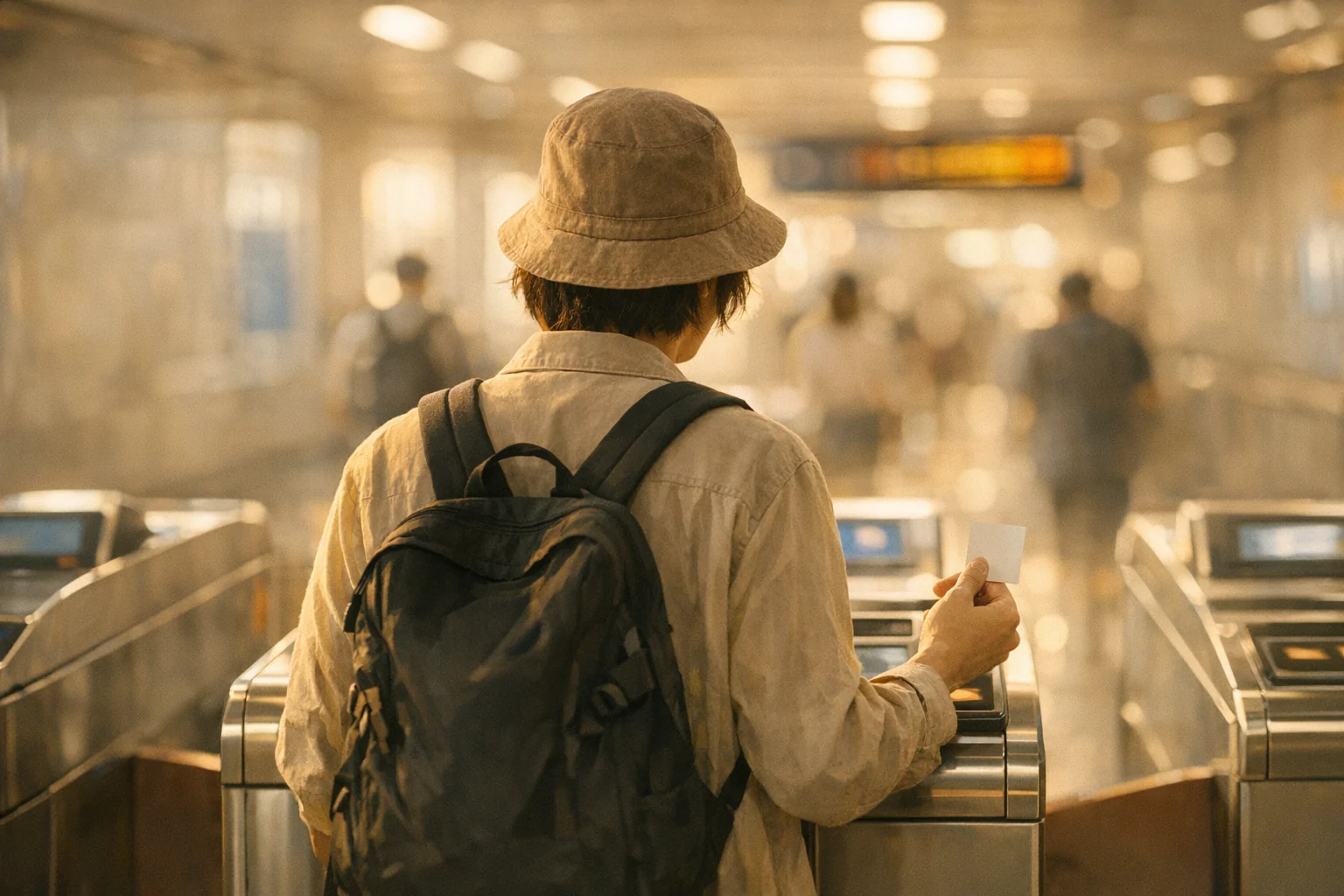
Getting a transit card
Rechargeable transit cards, sold across Seoul, are the simplest way to ride. You can buy one at most convenience stores and at machines in many subway stations, then add value whenever the balance runs low.
Recharging with cash is the most common method at machines and store counters. Bring some small notes in your first days, because not every machine accepts foreign bank cards for recharging.
If you are staying for a while, keep an eye on the balance shown on the gate screen as you tap out. Recharging before it runs low saves an awkward stop at a busy machine on the way to an appointment.
- Buy at a convenience store or station machine
- Recharge with cash at machines or store counters
- Keep the card in an easy-to-reach pocket
Tapping in and out
On the subway, tap the card at the gate on the way in and again on the way out. The fare is worked out by distance, so the second tap matters. On buses, tap when you board and again when you get off, since transfers between buses and the subway are calculated from those taps.
If a gate beeps and refuses your card, the balance may be too low. Recharge at the machine nearby and try again, or ask the station staff, who are used to helping visitors.
One card per person
Each traveller needs their own card. Tapping the same card twice for two people does not work at subway gates, so if you are travelling with a friend or family member, buy one each.
Many of these cards can also pay at convenience stores and in a number of taxis. It is worth asking the driver before you rely on it for a taxi ride.
Hailing a taxi on the street
Taxis are easy to find in central districts and around major stations. A lit sign on the roof usually means the car is free. You can wave one down from the kerb or join the queue at a taxi stand outside a station or department store.
Many drivers speak little English, so show the destination in Korean on your phone. Saving the clinic and your accommodation as written Korean addresses before the day saves a lot of pointing and guessing.
- Show the address in Korean, not just the English name
- Sit in the back and wear the seatbelt
- Ask for a receipt if you need one for your records
Booking a ride through an app
Taxi-hailing apps that offer English let you set the pickup and destination before the car arrives, which avoids explaining the route aloud. Some need a local phone number or a card registered in advance, so set the app up at home or on your first day rather than outside the clinic.
Booking from inside the building, while you wait for aftercare instructions, means you can step out straight into a car. That is particularly welcome after a treatment, in the rain or late in the evening.
Check the car number shown in the app before you get in, and sit in the back. If you need to stop at a pharmacy on the way, it is usually easier to finish one ride and book another.
Choosing between them on clinic days
On the way to a consultation, the subway is reliable and avoids traffic. On the way back from a procedure, a taxi can be kinder, especially if you are tired, swollen or carrying a bag of aftercare products.
Rush-hour traffic can make taxis slow, and crowded trains are uncomfortable. Booking appointments outside the commuting peaks makes either option easier.